Custom Yoga Wheels: 7 Specifications for Private Label Buyers
Custom yoga wheels combine a rigid structural core with a user-facing surface, which makes them more specification-sensitive than their simple circular shape suggests. A request for “a cork yoga wheel with our logo” does not define the diameter, width, core, padding, surface texture, edge finish, load test or retail package.
Private label buyers can reduce sampling delays by documenting these choices before requesting a final quotation. The following seven specifications create a practical brief for yoga brands, retailers, studios and distributors. Exact options depend on the selected construction, so confirm every requirement with the supplier and approve a physical sample before production.
1. Define the Intended User and Wheel Format
Begin with the intended use rather than the color. A yoga wheel may be positioned for stretching, balance practice, supported poses, mobility work or a coordinated yoga accessory set. The target user and sales message influence the diameter, width, surface feel and instructions that belong with the product.
State whether the wheel will be sold individually or in a set. If several sizes are planned, assign a unique item code and specification to each one. Do not assume that a smaller wheel can be produced by changing only the diameter; the core, width, padding and test plan may also need review.
Reference the closest product from the AICO Yoga product range in your inquiry. A model reference gives the supplier a useful starting construction, while the written brief records what must change for your brand.
2. Specify Diameter, Width and Surface Thickness
Record the finished outside diameter, usable width and surface-layer thickness with units. Also clarify whether the quoted diameter includes the padding or describes the rigid core. This distinction matters when comparing samples or offers from different suppliers.
Diameter affects the curve experienced by the user, while width influences stability and the contact area against the body or floor. The outer layer changes the final diameter and may compress during use. Review these dimensions together instead of treating the padding as a decorative addition.
Ask the supplier to state the normal manufacturing tolerances and measurement method. A simple cross-section drawing can label the outside diameter, core thickness, surface thickness and total width. Keep the approved drawing with the sample so inspectors and future orders use the same definitions.
3. Confirm the Structural Core and Test Requirement
The core provides the wheel’s structure. Available constructions may include molded polymer cores or other rigid materials depending on the model. Ask the supplier to identify the proposed material, wall structure, joining method and any design features that affect rigidity.
Discuss how the completed wheel will be evaluated for the intended use. A stated load number is meaningful only when the test method, support position, loading direction, duration and acceptance criteria are also defined. Request the method behind any product claim rather than copying an unsupported number into marketing materials.
Inspect the approved sample for roundness, deformation, cracks, unusual sounds and visible stress around seams or openings. If the core material, wall thickness or molding structure changes, require a new review before production because the appearance alone may not reveal the difference.
4. Choose the Outer Surface Material and Texture
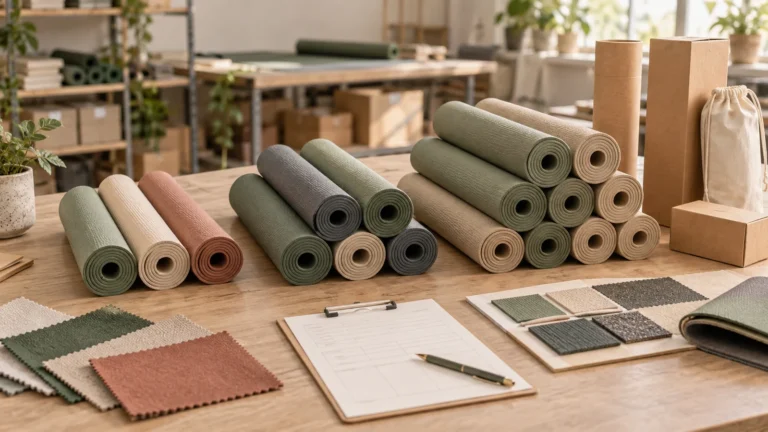
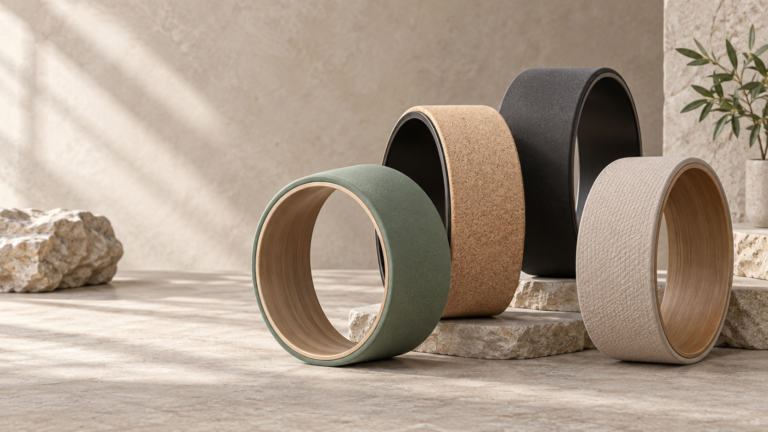
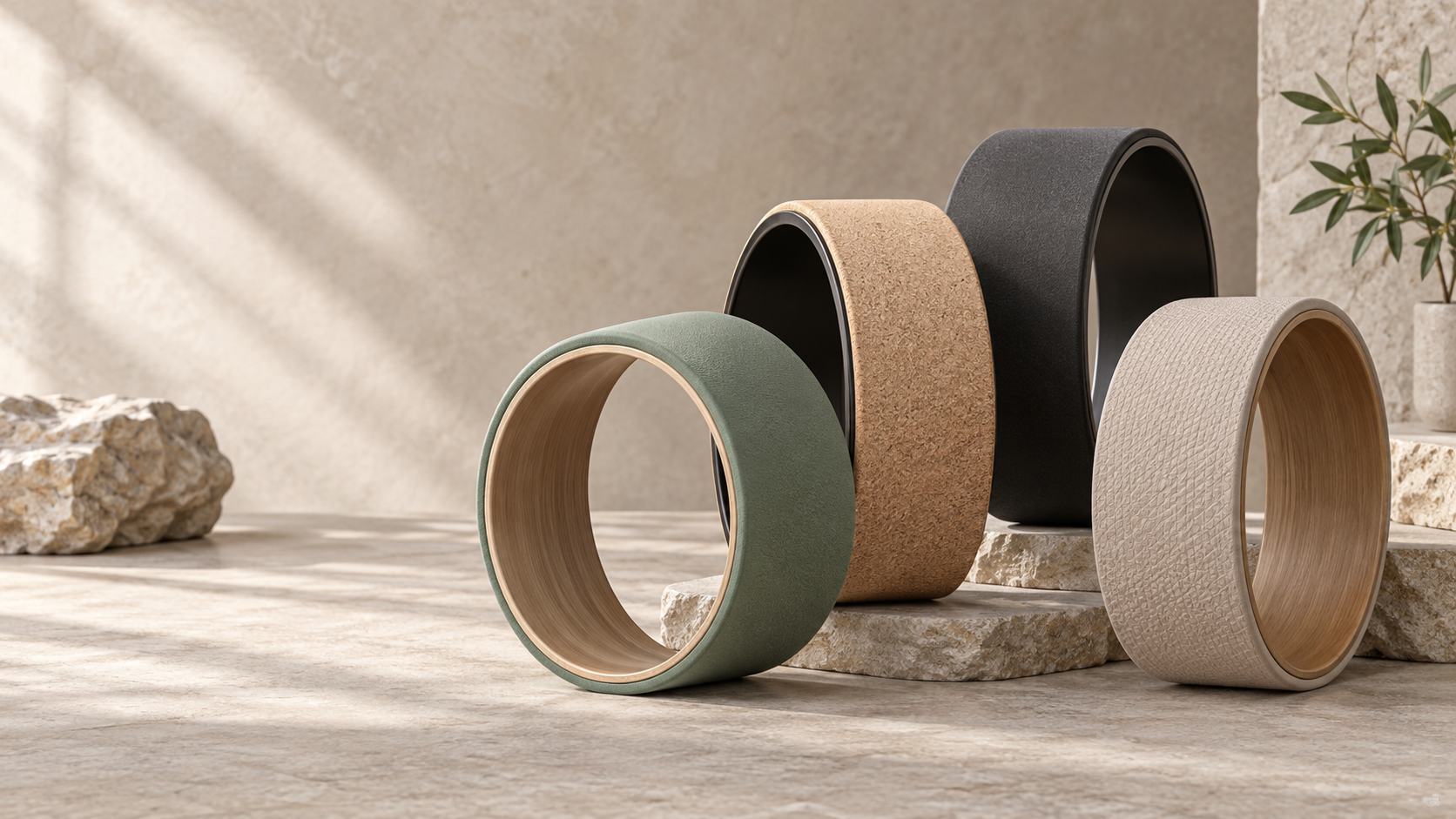
The outer layer affects grip, comfort, appearance and branding. Common options include EVA foam, PU-style surfaces and cork. Each has a different hand feel, print response, texture and color range. Ask for actual material samples rather than selecting from screen images alone.
Define the surface thickness, texture, hardness or feel reference, color and bonding method. Review how the layer wraps around the wheel and meets at the seam. Check for bubbles, lifting, wrinkles, visible adhesive, uneven edges or large changes in thickness.
Texture should be evaluated in the context of real handling. A very smooth finish and a deeply textured finish create different experiences, and printed graphics may look different across them. If a natural-material claim or special composition is important, request documentation for the exact layer used on the approved product.
5. Approve Color, Logo and Graphic Placement
Provide an agreed color reference for the core and outer surface. The same requested color can appear different on foam, PU-style material, cork and molded plastic. Approve the complete wheel under normal lighting and record which parts are intended to match or contrast.
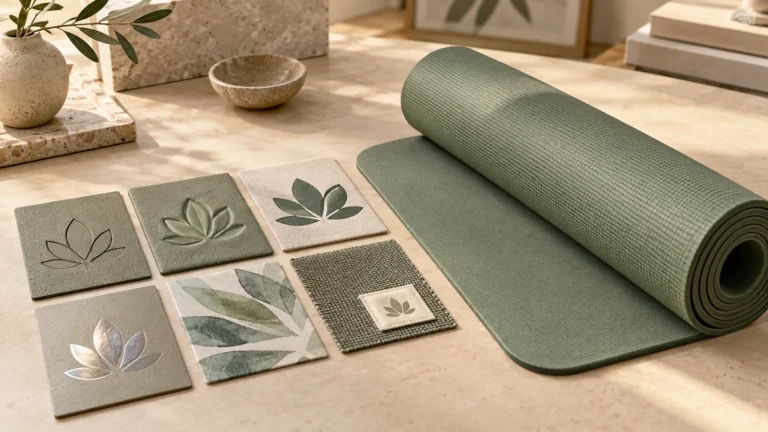
Logo methods depend on the surface. Options may include printing on the outer layer, a mark on the inside core, a label or another supplier-recommended method. Send vector artwork and define size, color, orientation and distance from seams or edges. If the logo repeats around the circumference, specify the number and spacing of repeats.
Review a physical branded sample. Check legibility on the curved surface, alignment when the wheel stands upright and durability during normal handling. The OEM and ODM solutions page provides a broader view of the customization process for private label yoga products.
6. Plan Packaging Around the Wheel’s Shape
Yoga wheels occupy substantial carton volume compared with many soft accessories. Decide whether the retail package will use a printed box, kraft sleeve, label, protective bag or another format. The package should protect the surface and preserve a clean presentation without adding unnecessary empty space.
List every component in the saleable unit, including instructions, labels, barcode and any accessories. Define the final artwork, package material, dimensions, closure and required market information. If several wheel sizes or colors share a package design, make the item identification clear for warehouse and retail handling.
Approve a fully packed sample, then request the packed unit size, gross weight, units per carton and carton dimensions. These figures allow buyers to compare landed costs and storage needs using the actual packaging rather than an early estimate.
7. Build a Product-Specific Quality Checklist
Convert each approved specification into an inspection point. A yoga wheel checklist may cover outside diameter, width, roundness, core appearance, surface material, bonding, seam alignment, edge finish, color, logo, package contents and carton quantity.
Agree on the structural or load-related test method separately from visual inspection. Record the equipment, setup, duration and acceptance criteria used for the approved construction. The appropriate plan should reflect the product design and intended market rather than rely on one generic check for every yoga wheel.
Keep a signed or otherwise identified approval sample, dimensional drawing, material swatches, color references, artwork and packaging files. Ask the supplier to report any proposed substitution before a repeat order. Buyers can use the manufacturing overview to prepare further questions about production and inspection.
Custom Yoga Wheel Inquiry Checklist
- Intended user, use case and individual or set format.
- Finished outside diameter, width and dimensional tolerances.
- Core material, structure and agreed test requirements.
- Outer material, thickness, texture, color and bonding.
- Logo method, artwork, size, color and placement.
- Retail package, instructions, labels and barcode needs.
- Packed unit details and shipping-carton configuration.
- Inspection criteria and references for repeat orders.
Include the target quantity, destination and preferred timing in the inquiry. Mark undecided items as alternatives so the supplier can quote them separately. When comparing suppliers, check that every offer uses the same dimensions, construction, branding, testing and packaging scope.
Frequently Asked Questions
What dimensions should buyers specify for a yoga wheel?
Specify the finished outside diameter, total width, surface-layer thickness and relevant core dimensions. State how each measurement is taken and agree on practical tolerances.
Is cork only a color choice?
No. Cork is a distinct surface material with its own texture, appearance, branding response and care considerations. Review the actual material and finished sample.
Can a supplier’s load claim be copied directly onto packaging?
Ask for the test method and evidence behind the claim first. The loading direction, support setup, duration and acceptance criteria determine what the result means.
What should be retained for a yoga wheel reorder?
Keep the approved finished sample, dimension sheet, core and surface specifications, color references, artwork revision, packaging files and agreed quality checks.
Prepare a Comparable Private Label Brief
A detailed specification lets buyers compare equivalent yoga wheels, approve samples efficiently and create useful inspection standards. Define the structure and dimensions first, then confirm the surface, branding and package on the complete product.
Contact AICO Yoga about your custom yoga wheel project. Share the preferred model, dimensions, quantity, surface material, logo and packaging requirements so the next steps can be reviewed around one clear brief.