Custom Yoga Bags: 8 Specifications for Private Label Buyers
Custom yoga bags must fit the intended mat, carry comfortably and protect the product while also presenting a brand clearly. A short request for “a canvas yoga mat bag with our logo” leaves major decisions open, including dimensions, fabric weight, lining, closure, strap construction, pockets, ventilation and packaging.
Private label buyers can reduce sample revisions by turning these decisions into a written specification before asking for a final quotation. The following eight points create a practical starting brief for full-zip yoga mat bags, top-loading carriers, tote-style bags and simple yoga mat slings. Available options depend on the selected design, so confirm each requirement with the supplier and approve a physical sample before production.
1. Define the Yoga Bag Format and Use Case
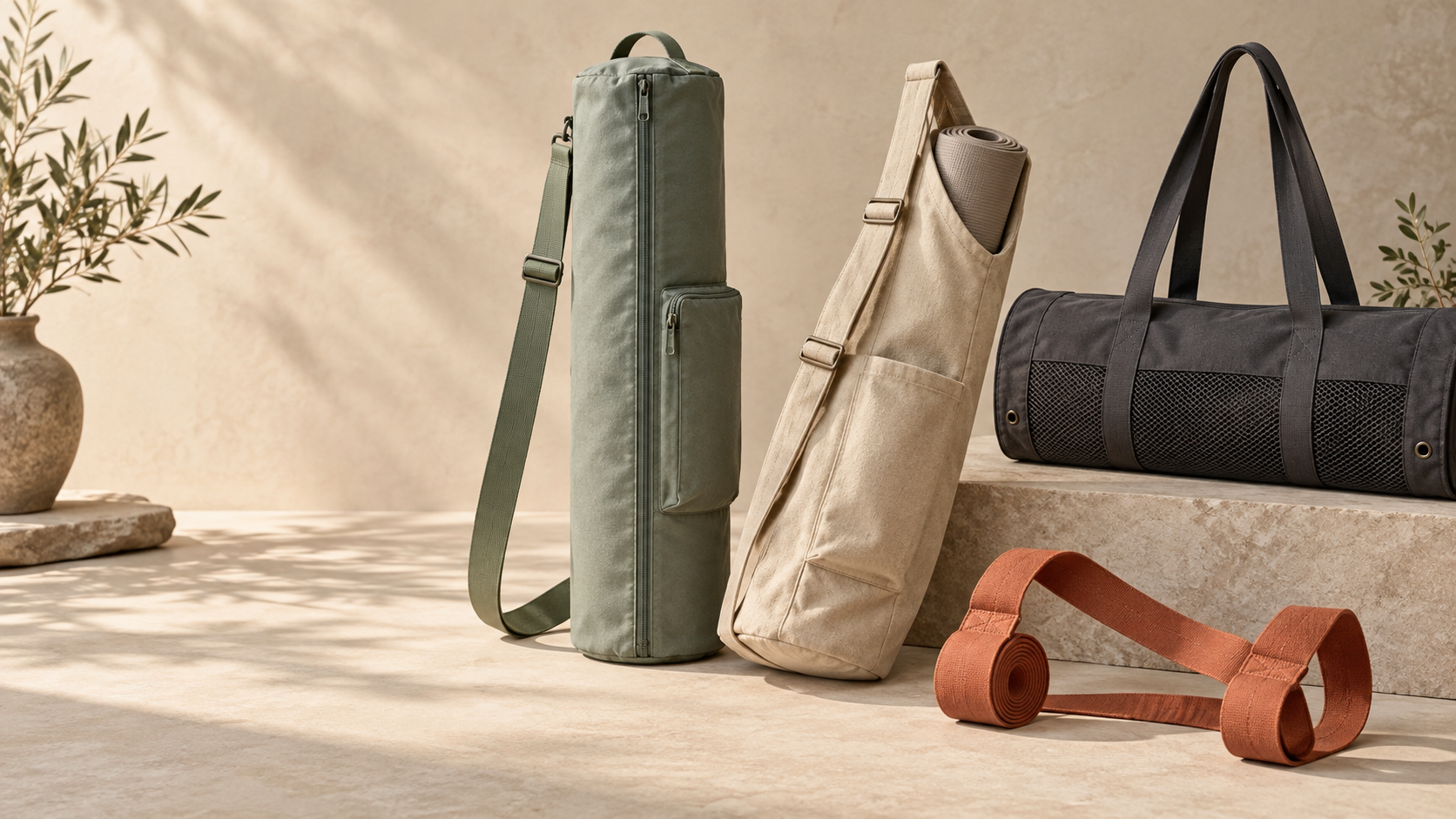
Begin with how the customer will use the product. A full-coverage cylindrical bag protects most of the mat and may offer pockets or ventilation. An open-top carrier provides faster access. A tote can combine mat storage with room for clothing and accessories, while a simple sling focuses on compact carrying.
State whether the bag is intended for daily studio travel, retail sets, promotional programs or premium private label collections. The use case helps determine the appropriate material, opening, strap and storage layout. If the bag will be sold with a mat, identify the exact mat construction rather than using only a general size label.
Review the AICO Yoga product range and include the closest bag or carrier model in the inquiry. A reference model clarifies the overall format, while the written brief records the required changes.
2. Specify the Mat Fit and Finished Dimensions
Provide the mat’s finished width, length, thickness and expected rolled diameter. Mat thickness alone does not define the roll size because material density, surface texture and rolling tension also affect the result. Test the bag with the actual mat or an approved equivalent.
For a cylindrical bag, record the usable internal length and circumference or diameter. For a tote, define the body height, width, depth and the opening used to secure the mat. For a sling, specify the loop range and strap length. Explain whether measurements describe the flat fabric pieces or the finished product.
Include the required fit: close-fitting, easy-loading or able to hold an additional towel or strap. Ask for normal manufacturing tolerances and use a labeled drawing so each dimension has one meaning. A fit test should form part of sample approval.
3. Choose the Outer Fabric, Lining and Structure
Common options may include cotton canvas, polyester fabrics, blended textiles, mesh panels or other woven materials. Each offers a different feel, appearance, color result, print response and care requirement. Ask the supplier to identify the fiber composition, fabric construction, weight reference and surface finish.
Decide whether the bag needs a lining, light padding, interfacing or a reinforced base. A soft unlined sling and a structured retail tote are different products even when their external dimensions are similar. If the bag must stand upright or protect accessories, request an appropriate structural recommendation and review it in the finished sample.
Do not place recycled, organic, water-resistant or other material claims on packaging until suitable evidence and wording have been reviewed for the exact fabric. Keep approved fabric and color swatches for inspection and repeat orders.
4. Document Seams, Reinforcement and Edge Finishing
Bag performance depends on construction details that are easy to overlook in a digital mockup. Record the seam type, seam allowance where relevant, edge binding, lining attachment and the method used to finish internal raw edges. Inspect the inside of the sample as carefully as the outside.
Identify stress areas such as shoulder-strap attachments, handles, zipper ends, pocket openings and sling loops. Ask how these points are reinforced and confirm the visible stitch pattern and thread color. If reinforcement stitching is part of the design, provide its shape and position on the technical drawing.
Sample checks should cover straight seams, balanced stitching, loose threads, puckering, uneven folds and exposed sharp components. A change in fabric thickness or strap webbing can require an updated sewing construction, so approve the complete material combination.
5. Select Openings, Closures and Ventilation
Choose the opening around the user’s routine. Options may include a full-length zipper, top zipper, drawcord, hook-and-loop closure, buckle or open carrier loops. Define the opening length and direction, then test whether the selected mat can be inserted and removed without excessive force.
For zippers, specify the type, size reference, tape color, slider, puller and opening direction. Review smooth operation around curves and at reinforced ends. For drawcords or buckles, confirm the cord, stopper or hardware material and ensure the parts work with the chosen fabric.
Ventilation may use mesh panels, eyelets or openings in the design. Record the material, quantity, size and placement. Check that ventilation details do not create rough edges, weak points or unwanted exposure of the product inside.
6. Plan Shoulder Straps, Handles, Pockets and Hardware
Define the carrying system with finished measurements. State whether the shoulder strap is fixed or adjustable, the usable adjustment range, webbing width and any shoulder pad requirement. If handles are included, record their length, spacing and attachment method.
List each pocket and its purpose. A phone pocket, key pocket and large accessory compartment need different dimensions and closures. Provide a simple diagram showing pocket location, usable opening and internal size. Test with representative items instead of approving appearance alone.
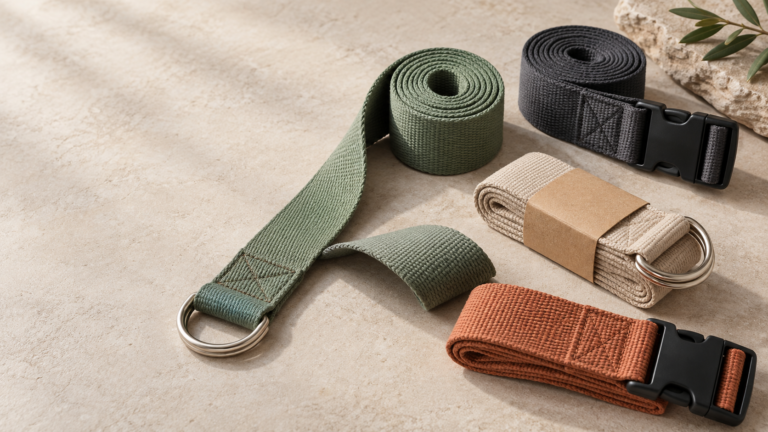
Identify every hardware component, including adjusters, D-rings, hooks, buckles, eyelets and zipper pulls. Specify material, color and finish, and approve a complete hardware set. Check for smooth edges, secure attachment and compatibility with the webbing and fabric.
7. Approve Color, Logo and Product Labels
Provide a physical color reference or agreed standard for fabric, straps, thread, zipper tape, mesh and hardware. Materials accept color differently, so decide which components must match and which may use an intentional contrast.
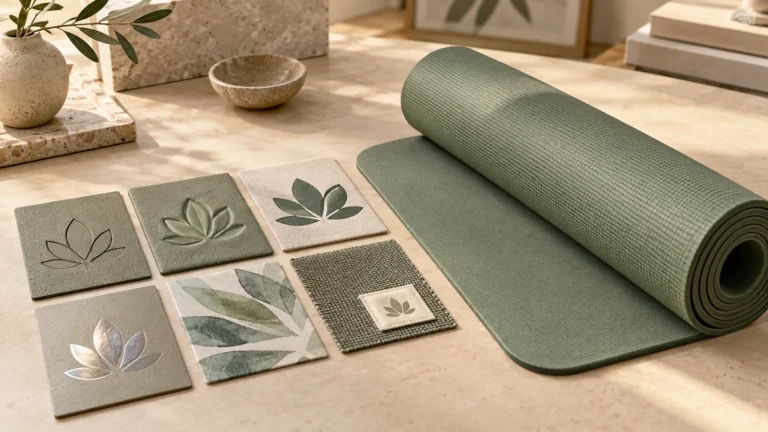
Logo options can include screen printing, heat transfer, embroidery, woven labels, rubber patches or other suitable methods. Supply vector artwork and define the final size, color, orientation and placement. Consider how the logo appears when the bag is filled, carried or folded for packaging.
Approve branding on the actual fabric because weave, coating and texture affect detail and color. Include the exact content and position of care, fiber, country-of-origin or brand labels required for the target market. The OEM and ODM solutions page provides a broader overview of private label customization.
8. Agree on Packaging and Quality Checks
Define how each bag will be folded, protected and presented. List hangtags, inserts, barcode labels, individual bags and retail packaging. If the bag is packed with a yoga mat, approve the complete set and confirm the orientation of both products.
Translate the specification into an inspection checklist. Useful checks may include dimensions, mat fit, fabric and color, seam appearance, reinforced attachments, zipper or closure operation, strap adjustment, pocket size, hardware, logo, labels and package contents. The exact plan should reflect the chosen bag format.
After packaging is approved, request the packed unit dimensions, weight, units per carton and carton measurements. Retain the approved finished bag, fabric swatches, hardware set, artwork and packaging files for reorders. The manufacturing overview can help frame further production and inspection questions.
Custom Yoga Bag Inquiry Checklist
- Bag format, use case and closest reference model.
- Target mat dimensions, rolled diameter and required fit.
- Finished bag dimensions and agreed tolerances.
- Outer fabric, lining, structure and color references.
- Seams, reinforcement, thread and internal finishing.
- Opening, closure, zipper details and ventilation.
- Straps, handles, pockets and complete hardware list.
- Logo, labels, packaging and inspection requirements.
Add the target order quantity, destination and preferred timing. Mark undecided details as alternatives so suppliers can quote them separately. When comparing offers, confirm that every price includes the same material, dimensions, components, branding and packaging.
Frequently Asked Questions
What mat measurements are needed for a custom yoga bag?
Provide the mat’s finished width, length, thickness and actual rolled diameter. The rolled diameter is especially important because different materials can roll to different sizes.
Should a yoga mat bag include ventilation?
It depends on the product design and use case. If ventilation is required, specify whether it uses mesh, eyelets or another opening and approve its location and construction.
Is a digital logo mockup enough for approval?
No. A mockup confirms scale and placement, while a physical sample shows how the logo interacts with the fabric texture, seams, filling and folding.
What should buyers keep for repeat orders?
Retain the approved bag, fit reference, dimension sheet, fabric and hardware samples, color standards, artwork revision, labels, packaging files and inspection checklist.
Prepare a Complete Private Label Yoga Bag Brief
A detailed brief makes custom yoga bags easier to quote, sample, inspect and reorder. Confirm the mat fit and bag structure first, then approve the carrying features, branding and packaging on the complete product.
Contact AICO Yoga about your custom yoga bag project. Share the preferred bag format, target mat size, quantity, material, logo and packaging requirements so the next steps can be reviewed around one clear specification.