9 Checks Before Choosing a Pilates Equipment Manufacturer
Choosing a Pilates equipment manufacturer is a long-term sourcing decision, not simply a price comparison. A reformer, chair, barrel, ring, or small accessory must match your market position, brand identity, quality expectations, and after-sales plan. For distributors, fitness brands, studio groups, and private label businesses, the right supplier should make specifications clear before sampling and keep approved details consistent during production.
This nine-point checklist helps B2B buyers compare suppliers in a practical way. Use it before requesting quotations so that every factory answers the same questions and your final comparison is based on total project value rather than unit price alone.
1. Confirm the Manufacturer’s Real Product Scope
Start by defining exactly what you plan to sell. Large Pilates apparatus and small Pilates accessories require different materials, production processes, packaging, inspection points, and shipping plans. Ask whether the supplier regularly handles your specific product type rather than assuming that a broad catalog proves relevant experience.
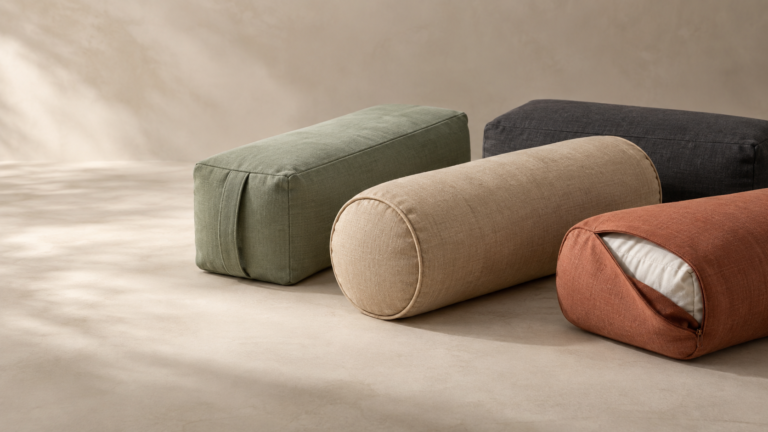
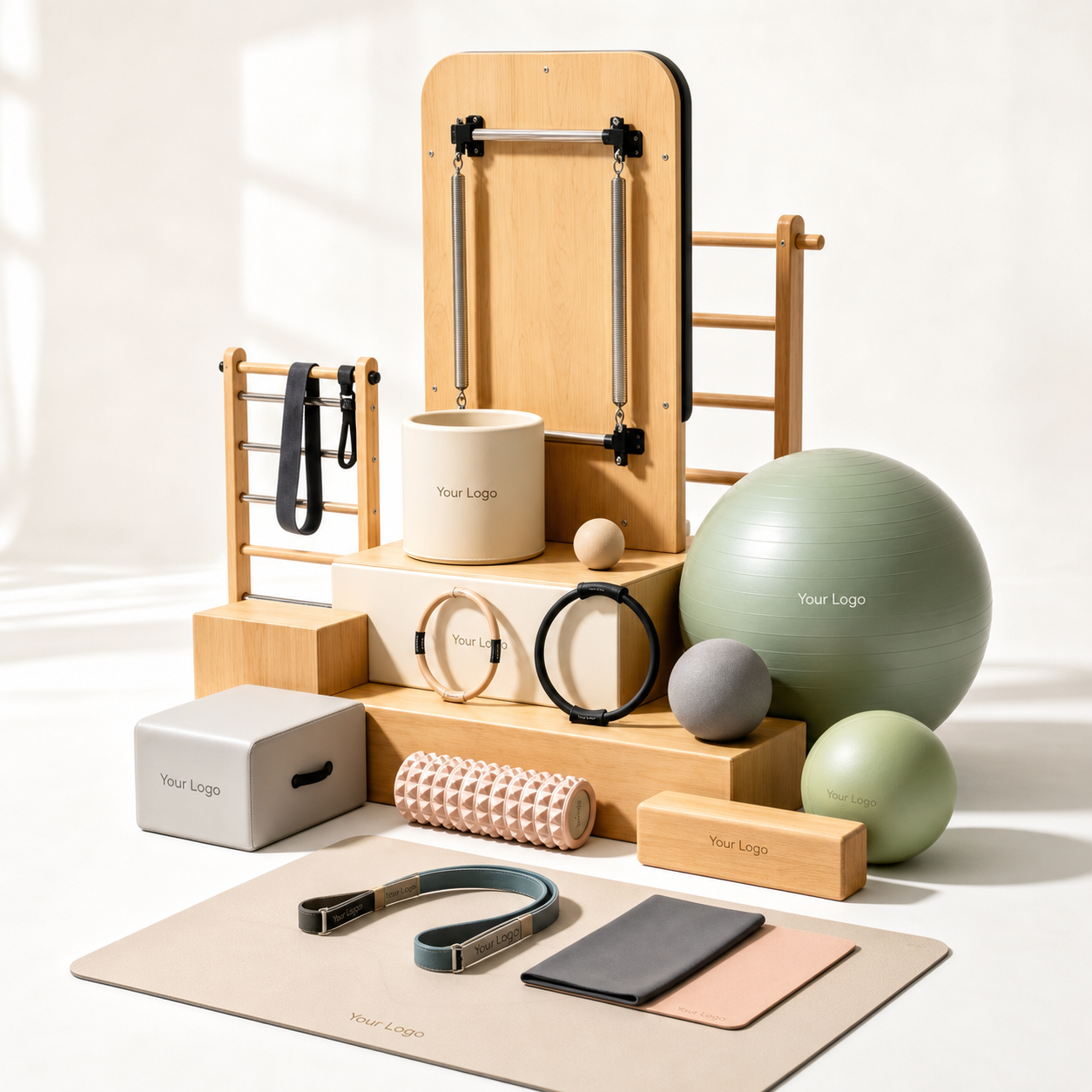
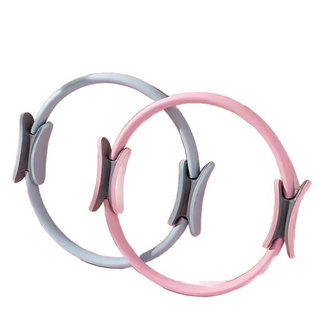
For larger equipment, discuss reformers, Cadillac tables, chairs, barrels, towers, boxes, and replacement components. For smaller products, discuss Pilates rings, balls, rollers, resistance accessories, and bundled kits. A capable supplier should be able to explain the differences between models, intended settings, packaging requirements, and available customization without giving vague answers.
2. Prepare a Written Product Specification
Do not begin with only a reference photo. Prepare a written specification that describes the model, dimensions, materials, color, surface finish, resistance components, upholstery, accessories, logo position, labels, manual, packaging, and target market. If a detail is still undecided, mark it as an open question instead of leaving it unstated.
A written specification prevents different suppliers from quoting different products under similar names. It also creates a reference for sampling, approval, production, and inspection. When comparing quotations, ask every potential manufacturer to identify exclusions and alternatives in writing.
3. Evaluate OEM and Private Label Options
Private label projects generally use an established product configuration with selected branding changes. OEM projects may require deeper adjustments to construction, dimensions, components, finishes, or accessories. Clarify which route fits your budget, launch schedule, order plan, and need for differentiation.
Ask the manufacturer which elements are customizable and which are fixed. Typical options may include logo application, upholstery or product color, frame finish, strap color, packaging artwork, labels, manuals, and bundled accessories. Deeper modifications may affect tooling, sample time, minimum quantities, testing, and cost, so they should be discussed before a quotation is finalized. AICO Yoga’s OEM and ODM solutions page provides an overview of the development path for branded products.
4. Review Samples as a Buyer, User, and Service Team
A sample should be reviewed from more than one perspective. The buyer checks whether the approved specification has been followed. An experienced user checks feel, adjustment, comfort, stability, and everyday operation. A service-minded reviewer checks assembly, instructions, replaceable parts, packaging protection, and maintenance access.
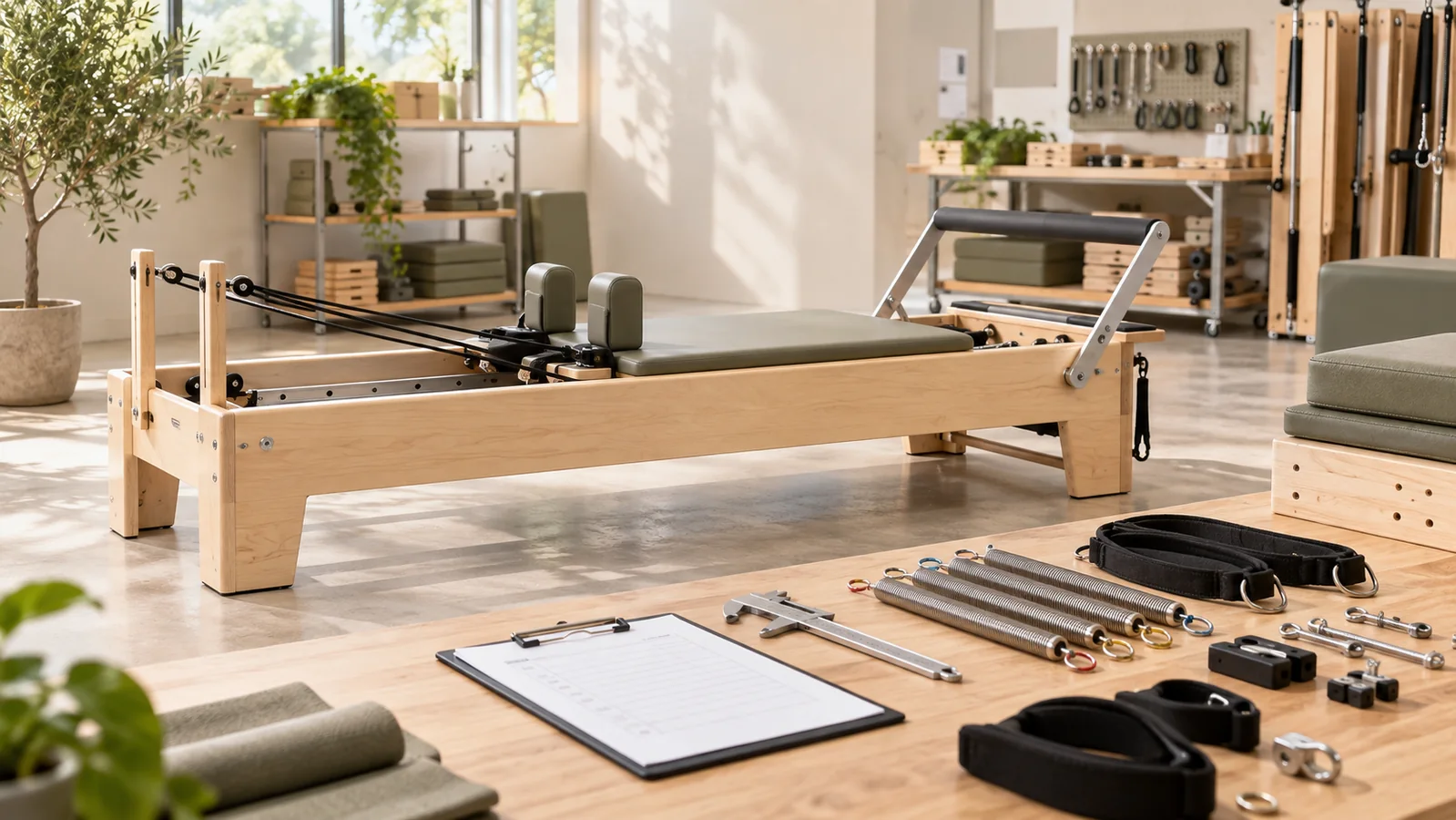
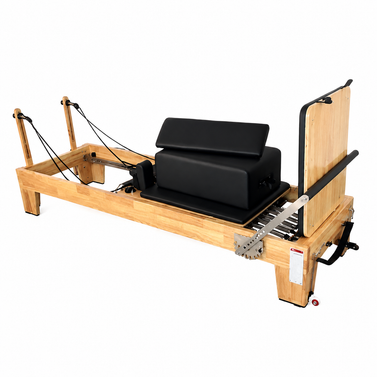
Create a written sample approval sheet and record every accepted detail. For a reformer, this may include frame finish, carriage movement, upholstery, ropes, straps, springs, footbar adjustment, hardware, accessories, labels, and carton contents. For smaller accessories, review dimensions, resistance, surface finish, odor, color consistency, logo quality, and retail packaging.
5. Ask How Quality Control Is Defined
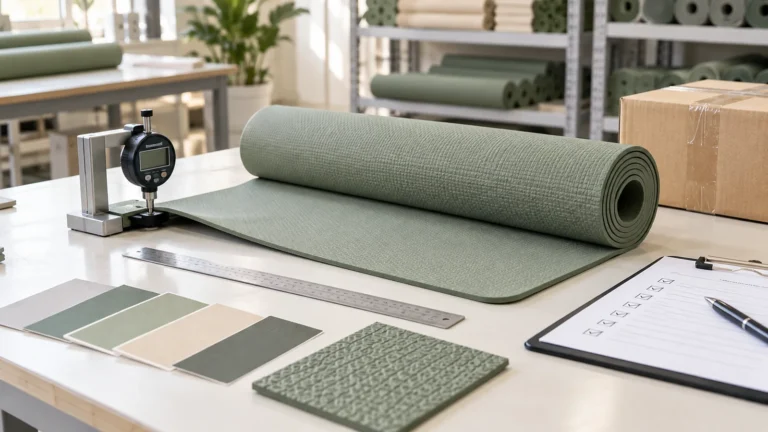
“Good quality” is not a measurable requirement. Ask the supplier to translate quality expectations into inspection points. These should be connected to the approved sample and written specification. Relevant checks may cover incoming materials, dimensions, appearance, assembly, moving parts, resistance components, logo placement, labels, accessory count, packaging, and final carton condition.
Also ask how nonconforming products are identified, recorded, corrected, and prevented from being mixed with approved goods. For an important order, agree on the inspection standard and evidence required before shipment. Learn more about AICO Yoga’s manufacturing and quality-control process.
6. Check Component Consistency and Spare-Part Support
For equipment with wear parts or replaceable components, the sourcing relationship continues after delivery. Ask which parts can be reordered, how they are identified, and whether the specification can remain consistent across repeat orders. This is especially important for springs, ropes, straps, wheels, bearings, upholstery pieces, hardware, and other service items.
Request a component list or part reference system when appropriate. Confirm which tools and instructions are supplied for assembly and routine maintenance. A clear spare-part process helps distributors and studio customers solve problems without replacing complete equipment.
7. Compare Packaging and Shipping Readiness
Large Pilates equipment creates different logistics risks from small accessories. Before placing an order, confirm whether goods ship assembled, partially assembled, or flat packed; how individual components are protected; the number of cartons; carton dimensions and weights; pallet or crate options; and the shipping marks required by your warehouse.
For branded products, packaging must also support the customer experience. Confirm artwork files, labels, manuals, warnings, accessory lists, and barcode placement. Ask for packing photos or a packing video during sample approval so you can identify possible transit or assembly issues before mass production.
8. Assess Communication and Change Control
Strong communication is visible in the way a supplier handles details. A reliable project contact should summarize decisions, flag unclear requirements, confirm revisions, and keep version control over specifications and artwork. If important information exists only in scattered chat messages, mistakes become more likely.
Use one approval record for product specifications, one for artwork, and one for packaging. Number each revision and require written confirmation when a change affects price, lead time, tooling, or order quantity. During production, agree on update milestones so that you know when materials, branding, assembly, inspection, and shipment preparation are progressing.
9. Compare Total Project Value, Not Only Unit Price
A low quotation can become expensive when it excludes accessories, branded packaging, assembly materials, spare parts, inspection, or adequate shipping protection. Ask for a quotation that clearly lists the model, specification, quantity, included accessories, customization, packaging, trade terms, payment terms, sample arrangements, and quotation validity.
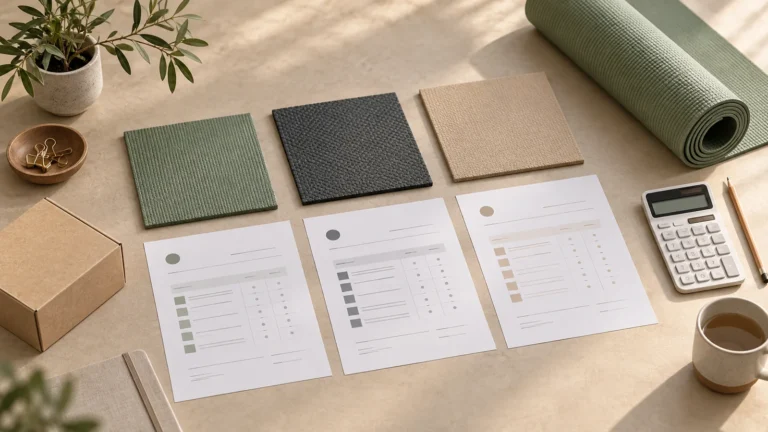
Then compare suppliers using the same scorecard. Include specification fit, sample quality, communication, customization capability, quality-control clarity, spare-part support, packaging, logistics readiness, and commercial terms. This makes the decision easier to explain internally and reduces surprises after ordering.
Questions to Send a Pilates Equipment Manufacturer
- Which of our required product categories do you manufacture or regularly supply?
- Which specifications and branding elements can be customized?
- What information do you need before providing a complete quotation?
- How are samples documented and approved?
- Which quality checks are performed for this specific product?
- Can replacement components be supplied for repeat orders and after-sales service?
- How will the product be packed, labeled, and prepared for international shipping?
- Who controls specification, artwork, and packaging revisions?
- What is included and excluded from the quoted price?
Frequently Asked Questions
What should I send before requesting a Pilates equipment quotation?
Send the product type, intended market, target quantity, required materials or configuration, dimensions, color, logo, packaging, accessories, and delivery destination. Include reference images only as supporting information and identify any details that are not yet confirmed.
Should I order a sample before a bulk order?
For a customized or private label product, a sample provides a physical reference for specifications, branding, function, and packaging. Record the approved details in writing so the production order can be compared with the same standard.
What is the difference between OEM and private label Pilates equipment?
Private label usually applies your brand to an established product configuration. OEM development may involve deeper specification or structural changes. The exact scope varies by project, so buyers should confirm which elements can be changed and what those changes require.
How can I compare several Pilates equipment suppliers fairly?
Give each supplier the same specification and request an itemized quotation. Score product fit, sample quality, quality-control process, communication, spare-part support, packaging, logistics, and commercial terms alongside price.
Choose a Pilates Equipment Manufacturer with a Clear Process
The best Pilates equipment manufacturer for your business is the one that can understand your product requirements, document approvals, manage customization, control production details, and support repeat orders. A structured comparison now can prevent expensive revisions later.
Explore AICO Yoga’s Yoga and Pilates product range, or contact our team for an OEM or private label quotation. Share your target products, market, branding requirements, quantity, and delivery destination so we can review the project clearly.