
9 Questions to Ask an OEM Yoga Mat Manufacturer Before Your First Order
Choosing an OEM yoga mat manufacturer is not simply a price comparison. The supplier you select can influence product consistency, packaging quality, communication speed, and how confidently you can reorder the same specification later.
This guide is written for yoga brands, fitness retailers, distributors, and private label businesses preparing their first supplier conversation. Use these nine questions to compare manufacturers on the same criteria before you approve a sample or place a bulk order.
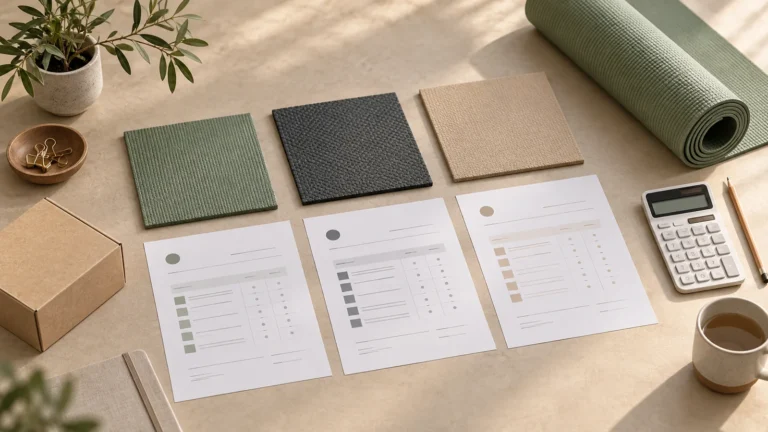
Quick checklist for evaluating a yoga mat manufacturer
- Confirm the intended user, sales channel, and product positioning.
- Ask the supplier to explain material and construction options.
- Separate standard private label options from deeper OEM or ODM development.
- Approve a clearly documented sample before production.
- Understand what drives MOQ, price, lead time, and packaging cost.
- Agree on inspection points and acceptable product tolerances.
- Record every approved detail in one final specification sheet.
1. Which yoga mat construction fits our target customer?
A reliable conversation should begin with the user and market, not with the cheapest material. Explain whether the product is intended for beginners, hot yoga, travel, home fitness, studio use, or premium retail. Also share the expected price position, preferred weight, cushioning level, grip expectations, and sustainability priorities.
The manufacturer should be able to compare realistic options instead of recommending one material for every project. Common choices may include TPE, PVC, natural rubber, PU surfaces, cork, suede, or layered constructions. Each option has different trade-offs in weight, grip, care, surface feel, printing compatibility, and cost.
Ask this: “Based on our customer, channel, and target positioning, which two or three constructions should we sample, and what are the trade-offs?”
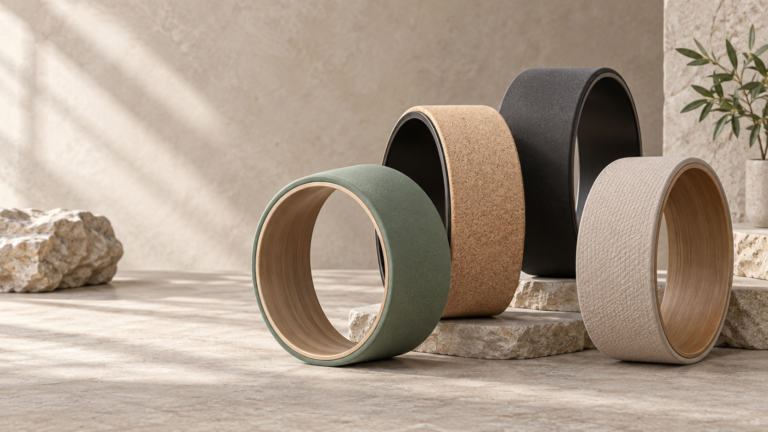
You can review AICO Yoga’s custom yoga and Pilates product range before preparing your shortlist.
2. Are we requesting OEM, ODM, or private label production?
These terms are often used loosely, so ask the supplier to define the scope in practical language. A private label project usually starts with an existing product that receives your logo or packaging. An OEM project follows a buyer-defined specification. An ODM project may begin with a supplier-developed product platform that is adapted to the brand’s needs.
The important question is not the label itself. It is which elements can actually change: material, thickness, dimensions, density, surface texture, color, artwork, logo method, accessories, inserts, and packaging. Confirm which changes require new tooling, additional sampling, or a different MOQ.
Ask this: “Please list what is standard, what can be customized, and which changes affect tooling, MOQ, price, or timing.”
See the AICO Yoga OEM and ODM solutions page for a practical overview of common customization stages.
3. What exactly will the approved sample lock?
A sample should be more than a general visual reference. Ask which attributes the final approved sample will control for production. Depending on the product, this may include dimensions, thickness, weight range, color reference, surface finish, logo position, print size, edge quality, odor expectations, packaging components, and carton marks.
Also clarify whether you are reviewing a stock sample, a logo sample, a pre-production sample, or a final packaged sample. These samples answer different questions. A stock sample can help assess a base material, while a pre-production sample should reflect the specification you intend to order.
Ask this: “After we approve the sample, which specifications become the production reference, and how will changes be documented?”
4. What drives the MOQ for this specific configuration?
MOQ should be discussed at the product and SKU level. It can change with custom colors, printed surfaces, packaging components, material batches, logo techniques, and the number of variants in one order. A useful supplier response explains the reason behind the quantity rather than offering a number without context.
If your forecast is uncertain, ask whether you can reduce complexity by using an existing color, standard construction, shared packaging, or fewer SKUs. Do not assume that every customization can be combined under one total quantity.
Ask this: “What is the MOQ for this exact material, color, logo, and packaging combination, and which change would reduce it?”
5. Which logo and printing method suits the surface?
A logo technique should match the mat surface, artwork detail, expected wear, and desired appearance. Options may include screen printing, heat transfer, embossing, laser engraving on compatible materials, woven labels, or other product-specific methods. Not every technique is appropriate for every material.
Send vector artwork when available and confirm color reference, dimensions, location, orientation, print coverage, and whether the logo must remain visible when the mat is rolled. Request a physical logo sample when the method or color is important to the brand presentation.
Ask this: “Which logo method is most suitable for this surface, and how will you check position, color, adhesion, and appearance?”
6. How will quality be checked during the order?
“Good quality” is not a measurable requirement. Ask the manufacturer to explain the checks that apply to your specification and when they occur. Relevant checks may cover incoming materials, dimensions, weight or thickness, color consistency, surface condition, print appearance, edge finishing, bonding, packaging, quantities, and carton information.
Your final specification should define what is critical, what can vary within an agreed tolerance, and what happens if the inspected result does not match the approved reference. For higher-risk or larger orders, buyers may also consider an independent pre-shipment inspection.
Ask this: “Which product and packaging points will be inspected, what reference will inspectors use, and how will exceptions be reported?”
Review the typical yoga product manufacturing process when planning approval and inspection stages.
7. Is the packaging suitable for our sales and shipping channel?
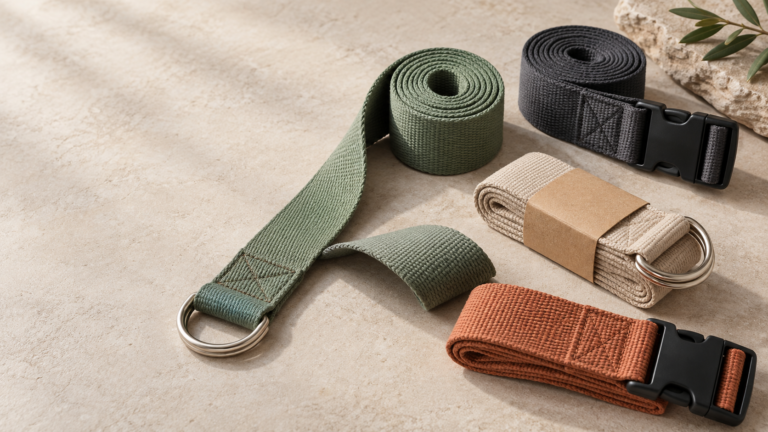
Packaging for an Amazon seller may differ from packaging for a distributor, studio, or physical retailer. Tell the supplier whether you need barcode labels, warning text, care instructions, inserts, retail boxes, paper wraps, carry straps, individual bags, master cartons, or marketplace-specific labeling.
Ask for the packed product dimensions and weight, not only the mat dimensions. These details affect freight planning, warehouse handling, and the customer’s unboxing experience. Confirm carton quantity and shipping marks before production.
Ask this: “Can you provide the proposed pack-out, packed dimensions, carton quantity, carton size, and label positions for approval?”
8. What information and approvals control the lead time?
A quoted lead time is meaningful only when its starting point is clear. Production may depend on sample approval, artwork confirmation, deposit, material availability, packaging approval, or a final purchase order. Ask the supplier to identify these dependencies and provide milestones rather than one unexplained date.
Agree on who will provide updates, how often progress will be reported, and how potential delays will be communicated. Clear responsibility at the beginning reduces confusion later.
Ask this: “What must be approved before the production clock starts, and which milestones will you report before shipment?”
9. What documents and shipping information will we receive?
Shipping responsibilities should be clear before the order is finalized. Confirm the destination, preferred shipping method, trade term, consignee information, carton data, and which commercial documents are required. Requirements can differ by destination and product, so do not rely on a generic checklist.
If your market requires product or material documentation, state the exact requirement and ask for current, relevant documents before making claims to customers. A certificate name alone is not enough; confirm that the document applies to the actual material, product, supplier, and destination in question.
Ask this: “Which shipping and product documents can you provide for this order, and what information do you need from us?”
A simple supplier comparison scorecard
After speaking with several suppliers, score each answer from 1 to 5. Use the same categories for every candidate:
- Product fit: Does the proposed construction match your customer and channel?
- Customization clarity: Are standard and custom elements clearly separated?
- Sampling: Is the approval process documented and easy to follow?
- Commercial transparency: Are MOQ and cost drivers explained?
- Quality planning: Are inspection points tied to your specification?
- Communication: Are responsibilities, milestones, and changes recorded?
- Packaging and logistics: Is the final pack-out suitable for your route to market?
A supplier does not need to promise everything. A more valuable sign is the ability to explain limitations, identify missing information, and turn your requirements into a repeatable specification.
Frequently asked questions
Should I request a quote or a sample first?
Start with a written product brief so the supplier can confirm feasibility and provide a meaningful quotation. After narrowing the material and customization scope, request the appropriate sample before approving bulk production.
How many manufacturers should I compare?
There is no universal number. Compare enough qualified suppliers to understand available constructions, communication quality, and commercial trade-offs. Use the same brief and scorecard so the comparison remains consistent.
What should be included in a yoga mat RFQ?
Include the intended use, material preference, size, thickness, estimated quantity, number of colors or SKUs, logo artwork, packaging requirements, destination, target schedule, and any market-specific documentation needs.
Is the lowest unit price usually the best option?
Not necessarily. Compare the complete specification, packaging, sample process, quality plan, communication, and expected landed cost. Quotes based on different materials or pack-outs are not directly comparable.
Prepare your first OEM yoga mat brief
A productive supplier discussion begins with a clear brief and specific questions. Define your target customer, shortlist suitable materials, document every customization, approve the correct sample, and connect quality checks to the final specification.
If you are preparing a custom yoga mat or private label project, contact AICO Yoga with your product type, preferred material, estimated quantity, logo requirements, packaging needs, destination, and target schedule. The team can review the information and confirm available options for your project.