6 Custom Yoga Mat Logo Printing Methods for Private Label Brands
Choosing a logo method is one of the most visible decisions in a private label yoga mat project. The same artwork can look crisp on one surface and unsuitable on another, so buyers should match the process to the mat material, surface texture, color count, artwork detail, and intended brand position. This guide compares six common custom yoga mat logo printing methods and explains what to confirm before approving a production sample.
There is no single best decoration process for every yoga mat. A simple one-color logo, a full-surface illustration, and a subtle tone-on-tone mark require different approaches. Your supplier should review the final artwork together with the selected material before recommending a method.
1. Screen Printing for Simple, High-Contrast Logos
Screen printing transfers ink through a prepared mesh stencil onto the mat surface. It is commonly considered for simple logos, short text, and alignment marks with a limited number of solid colors.
When screen printing may be suitable
- Your logo uses solid shapes rather than fine gradients.
- The artwork needs clear contrast against the mat color.
- You want a repeatable logo position across a product run.
- The selected ink system is compatible with the mat surface.
Ask the manufacturer to confirm ink adhesion, curing, edge definition, and resistance to normal rolling and cleaning. A physical sample is important because a textured surface can change the appearance of thin lines or small lettering.
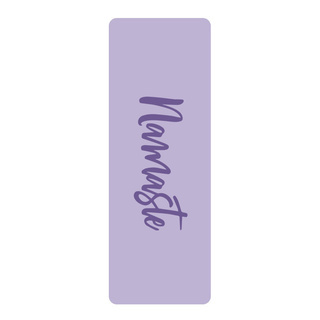
2. Heat Transfer for Detailed Branding on Compatible Surfaces
Heat transfer applies prepared artwork to a surface using controlled heat and pressure. It can support more detail and color variation than a basic one-color print, but the material must tolerate the process and the transfer system must bond correctly.
This method can be useful when the design includes multiple colors, smaller details, or a graphic treatment that cannot be reproduced cleanly with a basic screen. However, buyers should not select it by artwork alone. Surface coating, texture, flexibility, and expected use all affect the result.
What to approve in the sample
- Color appearance under normal indoor light
- Edges around letters and fine artwork
- Bonding after rolling and unrolling the mat
- Logo placement relative to the mat edges
3. UV or Digital Printing for Multicolor Artwork
UV and other compatible digital printing systems can reproduce complex graphics, gradients, illustrations, and multicolor layouts. They are worth discussing when the artwork is more than a small corner logo or when a brand wants a distinctive retail-facing design.
Digital capability does not remove the need for pre-production control. The artwork file, print resolution, color conversion, coating, and surface preparation must all be reviewed. A screen image is not a reliable final color standard, so provide the supplier with an agreed color reference and approve a physical sample.
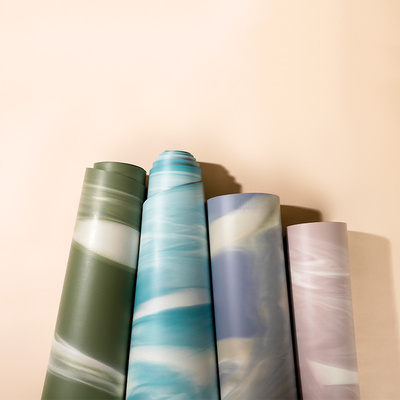
4. Sublimation for Compatible Fabric or Suede-Top Mats
Sublimation is generally discussed for compatible fabric-based or suede-style top layers rather than every foam or rubber surface. It can be a useful option for edge-to-edge patterns, photography-style artwork, and detailed branded collections when the selected construction supports the process.
Before choosing sublimation, confirm the exact top-layer material and ask how the printed layer is combined with the base. Also review cropping, bleed, orientation, and how the design aligns after cutting. For a product sold online, request a finished sample that can also be used for accurate product photography.
5. Laser Engraving for a Subtle Tone-on-Tone Mark
Laser engraving changes the surface rather than adding a separate printed color. The result is usually a restrained, tone-on-tone appearance. It may be considered for compatible cork, wood, bamboo, or other materials after the supplier confirms suitability.
This approach can fit a natural or premium brand direction, but buyers should check the engraving depth, edge definition, contrast, and position. Natural surfaces may contain visual variation, so agree on an acceptable appearance range instead of judging only one close-up photograph.
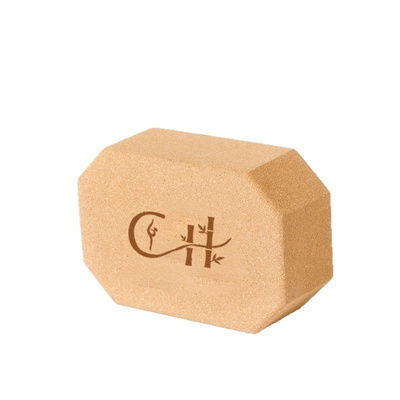
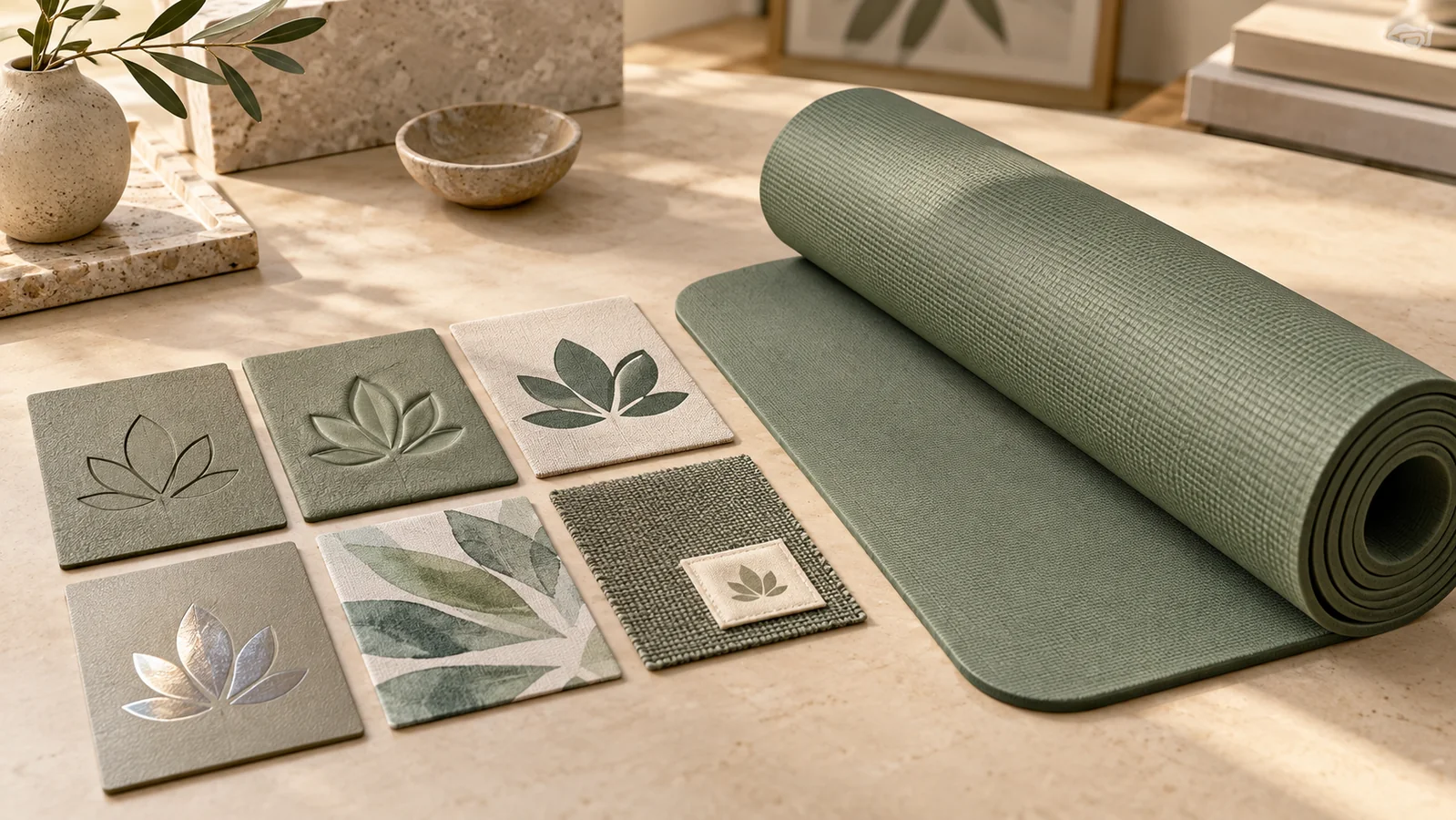
6. Embossing or Debossing for Tactile Branding
Embossing and debossing create a raised or recessed mark in the product surface. They are used when a brand wants a logo that feels integrated into the product instead of printed on top. Suitability depends on the product material, surface construction, tooling, logo shape, and desired depth.
Very small letters, thin strokes, and complicated symbols may lose clarity in a molded or pressed mark. Simplifying the artwork often produces a cleaner result. Ask whether tooling is required, how the tool will be approved, and whether the same mark can be repeated consistently on future orders.
How to Choose the Right Custom Yoga Mat Logo Method
Start with the product, not the printing technique. Select the mat material and surface first, then provide the manufacturer with the final logo file and intended placement. The supplier can then recommend processes that are compatible with that construction.
Use this decision checklist:
- Material: Confirm the exact top surface, not only the general mat name.
- Artwork: Note solid colors, gradients, fine lines, small text, and full-coverage graphics.
- Brand position: Decide whether the mark should be bold, colorful, natural, or understated.
- Use conditions: Consider repeated rolling, friction, sweat, and the intended cleaning method.
- Placement: Specify distance from edges, orientation, and maximum logo size.
- Approval standard: Define how color, clarity, adhesion, and position will be checked.
If you are still choosing the base product, compare the available yoga mats and Pilates products before finalizing the logo process. AICO Yoga can review material, branding, color, and packaging requirements through its OEM and ODM customization process.
Artwork Files to Prepare Before Sampling
Send an editable vector logo whenever possible, together with a reference showing the intended size and location. Include the brand color reference, product color, and any minimum clear-space rules. If the design uses fonts, convert them to outlines or provide the required font information so the artwork does not change during file handling.
Your sample brief should identify:
- Product model, material, size, thickness, and color
- Logo file and required print colors
- Logo width, height, orientation, and placement
- Preferred method and acceptable alternatives
- Packaging artwork that must match the product branding
- Approval points for color, position, clarity, and finish
Keep an approved sample and final artwork version as the reference for production. The supplier’s manufacturing and quality-control workflow should connect that approval to the bulk order specification.
Common Logo Approval Mistakes to Avoid
- Choosing a print method before confirming the mat surface
- Approving artwork only on a computer screen
- Using text that is too small for a textured surface
- Leaving logo size and placement open to interpretation
- Changing the mat color after the print sample is approved
- Skipping a check of the finished product after rolling and packaging
A clear, version-controlled specification helps prevent misunderstandings between design, purchasing, and production teams. It also makes repeat orders easier because the approved details are already documented.
FAQ About Custom Yoga Mat Logo Printing
Which logo printing method is best for a yoga mat?
The best method depends on the mat surface, artwork detail, colors, desired finish, and use conditions. Ask the manufacturer to test the artwork on the exact material selected for your order.
Can a yoga mat have a full-surface custom design?
Full-surface designs may be possible on compatible constructions using an appropriate digital or sublimation process. Cropping, bleed, color, and edge alignment should be approved on a finished sample.
Do I need a vector logo file?
A vector file is usually the most useful format because it can be scaled without losing edge quality. The supplier should still confirm the final file requirements for the selected process.
Should I approve a physical logo sample before production?
Yes. A physical sample lets you review color, scale, position, clarity, surface compatibility, and the appearance after the mat is rolled and packaged.
Plan Your Private Label Yoga Mat Branding
Successful custom yoga mat logo printing begins with a compatible material, production-ready artwork, and measurable approval standards. Instead of selecting a method from appearance alone, evaluate how the logo interacts with the surface and how the finished product supports your brand position.
Preparing a new private label collection? Contact AICO Yoga with your preferred mat material, artwork, color, packaging idea, order quantity, and destination. The team can review the project requirements and recommend suitable sampling options.