
7 Private Label Yoga Product Packaging Decisions to Make Before Sampling
Packaging is often treated as the final step in product development, but for a private-label yoga brand it affects presentation, protection, shipping efficiency and the customer experience. A beautiful package that does not fit the product, survive transport or communicate the right information can create avoidable delays and costs.
Before approving samples, brands should align product and packaging decisions with their target customer, sales channel and logistics plan. The following seven decisions provide a practical framework for discussing private label yoga product packaging with an OEM or ODM supplier.
Quick Packaging Checklist for Yoga Brands
- Define the sales channel and customer experience.
- Select packaging that fits and protects the product.
- Confirm the required artwork, labels and barcodes.
- Review materials, finishes and printing limitations.
- Approve a physical packaging sample with the product inside.
- Confirm master-carton dimensions and packing quantity.
- Document the final specification for production inspection.
1. What Is the Primary Sales Channel?
The right package depends on where and how the product will be sold. A yoga mat displayed in a physical store has different requirements from one shipped directly to an online customer. Retail packaging may need clear branding, product information and a scannable barcode. E-commerce packaging may place greater emphasis on protection, compact dimensions and a clean unboxing experience.
Tell your supplier whether the product is intended for retail shelves, an online marketplace, a studio, a subscription box or direct-to-consumer fulfillment. If several channels are involved, decide whether one package can serve all of them or whether separate versions are necessary. This decision should be made early because it can affect artwork, labels, carton configuration and cost.
2. How Should the Packaging Protect the Product?
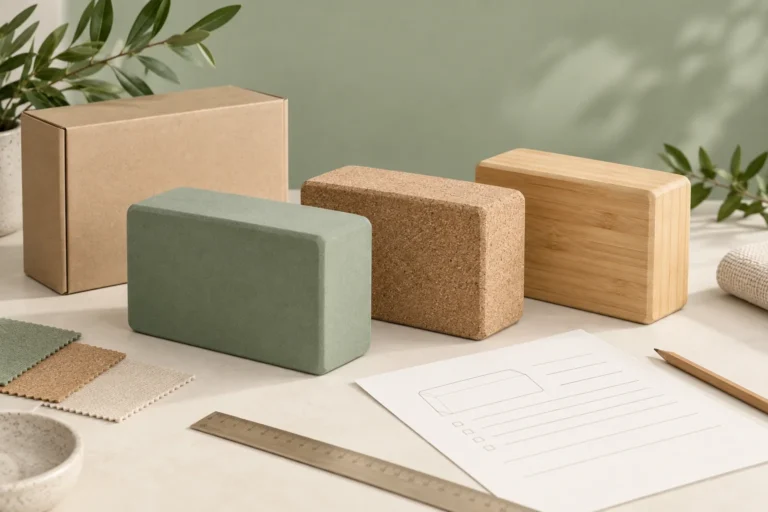
Packaging must protect the product before it promotes the brand. Yoga mats can be marked, compressed or deformed if the package is too tight or if the roll is not secured properly. Cork blocks can suffer damaged corners, while Pilates rings and small accessories may move inside an oversized box.
Ask the manufacturer to explain how the proposed package limits movement, moisture exposure, surface abrasion and pressure during handling. The best solution is not automatically the thickest or most complex one. It is the solution that provides suitable protection for the product and shipping route without unnecessary material.
For a broader product-development discussion, review AICO Yoga’s OEM and ODM solutions before finalizing packaging requirements.
3. Which Packaging Format Fits the Product and Brand?
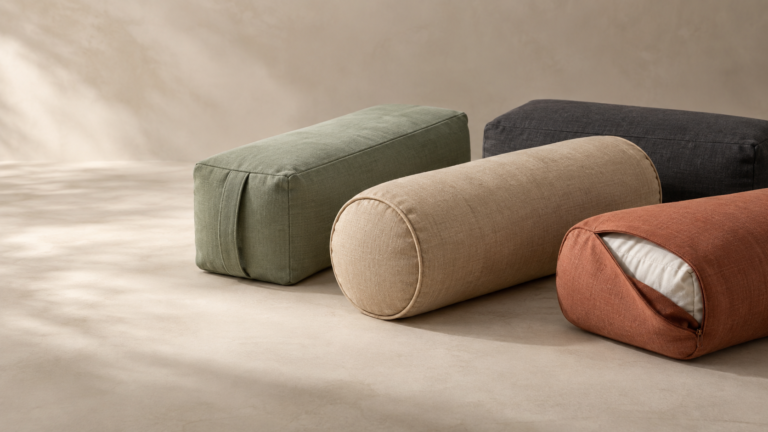
Common formats for yoga and Pilates products can include paper wraps, belly bands, drawstring bags, carry straps, boxes, sleeves, hang tags and simple protective bags. The appropriate format varies by product, price positioning and buyer expectations.
A paper band may keep a yoga mat visible while providing space for a logo and key information. A branded carry bag can add practical value, while a box may offer more protection and artwork space for selected products. Smaller accessories may need compact boxes, header cards or grouped set packaging.
Start with function, then consider appearance. Ask for the dieline or printable area before preparing artwork. Confirm where seams, folds, handles and closures will appear so that important text and logos are not hidden. You can also browse the AICO Yoga product range to organize packaging requirements by product category.
4. What Brand and Product Information Must Appear?
Create a content checklist before the designer begins. Depending on the product and destination market, a package may need the brand name, product name, material, size, care instructions, country-of-origin information, warnings, importer details, barcode or batch reference. Requirements vary, so brands should verify applicable rules with qualified local advisers and sales-channel documentation.
Separate mandatory information from marketing copy. Give essential information priority and keep claims accurate. Avoid adding sustainability, performance or certification claims unless they can be supported. A clear information hierarchy also improves readability and reduces the risk of late artwork revisions.
5. Which Materials, Colors and Print Finishes Are Practical?
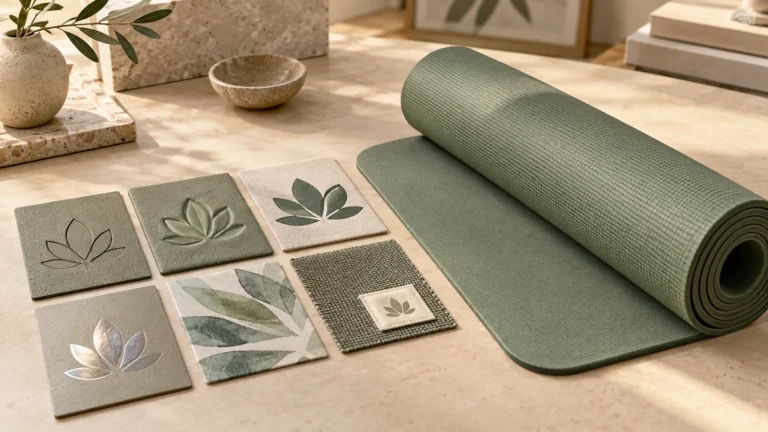
Packaging material should match the brand position while remaining practical for manufacturing and transport. Discuss paper weight, surface texture, color reproduction, coating, printing method and finish with the supplier. A design that looks good on a monitor may appear different on kraft paper, textured stock or fabric.
Provide reference colors and request a physical sample when color consistency is important. Ask whether the selected material changes the appearance of light colors, fine lines or small text. Confirm whether special finishes require different artwork files, additional setup or a different production schedule.
Keep the design restrained. Premium presentation usually comes from consistent color, proportion, typography and material selection rather than excessive decoration. A simpler system can also be easier to extend across mats, blocks, straps and other yoga accessories.
6. Has the Complete Packaging Sample Been Approved?
Do not approve packaging by reviewing artwork alone. Ask for a physical sample assembled with the actual product whenever possible. Check fit, opening and closing, logo position, print clarity, barcode readability, label adhesion and the condition of the product after it is removed.
Photograph the approved sample and record any corrections in writing. Confirm the final dimensions, material, color, print method, finish and packing direction. This becomes the reference for production and quality inspection. If a change is made after approval, request an updated sample or documented confirmation before mass production.
Understanding the supplier’s workflow also helps. See the manufacturing process for the stages that should be coordinated with product and packaging approval.
7. How Will Retail Packs Fit Into Master Cartons?
Retail packaging and export cartons should be planned together. Ask how many units fit in each master carton and request the carton dimensions and gross weight before shipment planning. A visually attractive retail box can create inefficient empty space if its dimensions are not considered alongside the shipping carton.
Confirm product orientation, inner packing, carton markings and whether mixed products or colors are allowed in one carton. If the goods will move through a fulfillment center or marketplace warehouse, compare the proposed carton setup with that channel’s current receiving requirements.
Carton details should appear in the final specification and packing list. Reviewing them before production gives the brand, manufacturer and logistics provider the same reference.
A Simple Supplier Packaging Brief
A useful packaging brief does not need to be complicated. It should identify the product, target market, sales channel, preferred packaging format, brand colors, required information, artwork format, barcode needs, unit quantity per carton and approval deadline. Attach visual references, but clearly label them as inspiration rather than final specifications.
Ask the supplier to return the brief with confirmed materials, dimensions, printable areas, sample steps and any technical limitations. This turns a general idea into a document that both sides can review.
Frequently Asked Questions
When should packaging development begin?
Begin after the product’s basic material, size and shape are defined, but before final production approval. This allows the packaging to be tested with a representative product sample.
Can one packaging design be used for several yoga products?
A consistent visual system can be shared, but dimensions, protection and required information may differ. Each product should have its own confirmed packaging specification.
Should a brand approve packaging from digital artwork only?
Digital artwork is useful for layout review, but a physical assembled sample is safer for checking fit, color, print quality, usability and product protection.
What files should be kept after approval?
Keep the final artwork, dieline, material and finish specification, approved sample photographs, barcode file, carton details and written approval record.
Plan Packaging Before You Place the Order
Private label yoga product packaging works best when it is developed as part of the product, not added at the last moment. By confirming the sales channel, protection, format, information, materials, sample and carton configuration, brands can reduce revisions and create a more consistent customer experience.
Planning a custom yoga or Pilates collection? Contact AICO Yoga to discuss your product, branding and packaging requirements.